
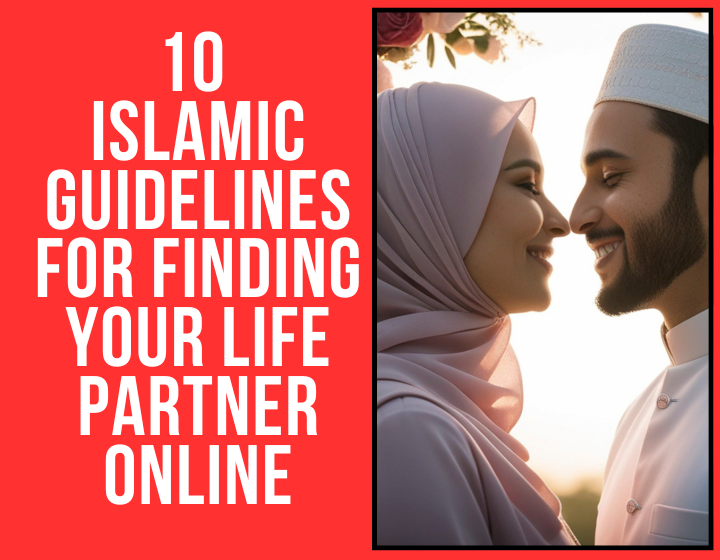
10 Islamic Guidelines for Finding Life Partner Online
Introduction
In today’s digital age, the traditional way of finding a spouse has evolved significantly. For Pakistani Muslims and overseas families, online matrimonial platforms have become a trusted avenue to find compatible life partners while maintaining Islamic values. Whether you’re in Lahore, Karachi, Islamabad, or living abroad in the UK, USA, or Middle East, understanding how to navigate halal online matrimony is crucial.
This comprehensive guide presents 10 essential Islamic guidelines for finding your life partner online, ensuring your search remains blessed, dignified, and aligned with Shariah principles.
Why Islamic Guidelines Matter in Online Matrimony
The Quran beautifully describes marriage: “And of His signs is that He created for you from yourselves mates that you may find tranquility in them; and He placed between you affection and mercy.” (Surah Ar-Rum, 30:21)
Marriage in Islam is not merely a social contract but a sacred covenant that completes half of your deen. When using online platforms like Rishta Connect, following Islamic principles ensures:
- Barakah (blessings) in your search
- Protection from inappropriate interactions
- Family involvement from the beginning
- Compatibility based on faith and character
- Dignity throughout the process
1. Make Sincere Dua and Seek Allah’s Guidance
The Foundation of Islamic Matchmaking
Before you even create a profile on any Muslim matrimonial site, begin with sincere supplication. The Prophet Muhammad (peace be upon him) taught us to seek Allah’s guidance in all matters, especially in decisions as significant as marriage.
Recommended Duas:
- Recite Surah Al-Furqan, Verse 74: “Our Lord, grant us from among our wives and offspring comfort to our eyes and make us an example for the righteous.”
- Pray Salat al-Istikhara regularly when considering potential matches
- Ask Allah to guide you to a spouse who will help you grow in faith
Practical Application: Set a daily reminder to make dua specifically for finding your righteous spouse. Many successful couples attribute their blessed marriages to consistent supplication during their search.
2. Prioritize Deen (Faith) Over Everything Else
The Prophet’s Clear Guidance
The Messenger of Allah (peace be upon him) advised: “When someone with whose religion and character you are pleased comes to you, marry him. If you do not do so, there will be trials on earth and corruption.” (Sunan Ibn Majah 1967)
What to Look For:
- Regular prayer (Salah) – Are they committed to five daily prayers?
- Quranic knowledge – Do they engage with the Quran regularly?
- Islamic character – Are they honest, kind, and trustworthy?
- Religious goals – Do they want to grow spiritually together?
On platforms like Rishta Connect, filter profiles based on:
- Religious practices (Sunni, Shia, Ahle Hadith, etc.)
- Prayer habits
- Islamic education background
- Level of religious commitment (practicing, moderately religious, etc.)
Remember: Physical appearance and wealth are secondary. A partner with strong faith will be your companion in this world and the next.
3. Involve Your Family from the Beginning
Islamic Principle of Family Involvement
Islam emphasizes family involvement in the marriage process. This is not about giving up your choice but about seeking wisdom, protection, and blessings from those who love you most.
Why Family Involvement Matters:
- Protection: Parents can identify red flags you might miss
- Wisdom: They bring life experience to the table
- Verification: They can check references and family background
- Barakah: Marriages with parental blessings tend to be more stable
How to Involve Family on Online Platforms:
- Share your profile creation with parents/guardians
- Discuss potential matches with family before initiating contact
- Invite family members to join conversations once serious interest develops
- Never meet alone – always include a mahram

On Rishta Connect, you can:
- Create profiles with family oversight
- Share profile links with parents for their input
- Involve mahram in all communications
4. Maintain Islamic Boundaries in All Communications
The Principle of Hayaa (Modesty)
Online communication doesn’t exempt you from Islamic etiquette. Maintaining proper boundaries protects your spirituality and ensures the relationship develops with dignity.
Islamic Communication Guidelines:
DO:
- Keep conversations purposeful and marriage-focused
- Discuss values, life goals, and compatibility factors
- Include family members in serious discussions
- Maintain respectful language and tone
- Set clear boundaries from the first message
DON’T:
- Engage in flirtatious or romantic conversations
- Share overly personal information prematurely
- Chat late at night
- Exchange pictures in inappropriate settings
- Discuss past relationships in detail
- Meet alone without a mahram present
Recommended Topics for Initial Conversations:
- Religious practices and goals
- Family values and expectations
- Career and education
- Future aspirations
- Views on marriage and family life
- Compatibility in lifestyle and interests
5. Use Verified and Trusted Islamic Matrimonial Platforms
Importance of Platform Selection
Not all matrimonial websites are created equal. Choosing a halal, Shariah-compliant platform is crucial for a safe and dignified search.
What Makes a Platform Truly Islamic:
- Profile verification systems
- Privacy protection features
- Family involvement options
- No free-mixing or casual dating features
- Clear Islamic values in operation
- Responsive security measures
- Active moderation against inappropriate behavior
Why Choose Rishta Connect:
- 100% verified profiles with ID confirmation
- Designed specifically for Pakistani Muslims and overseas families
- Advanced filters (sect, caste, city, profession, lifestyle)
- Family-friendly interface
- Shariah-compliant communication features
- Safe, secure, and private

Red Flags to Avoid:
- Sites promoting casual dating under “Muslim” labels
- Platforms without verification processes
- Services encouraging private meetings without mahram
- Sites with inappropriate advertisements or content
6. Verify Profiles Thoroughly – Trust but Verify
Islamic Principle of Due Diligence
Islam encourages proper investigation before marriage. Imam Ahmad narrated that Umar ibn al-Khattab would verify testimonies by asking specific questions about a person’s character, travel companionship, and business dealings.
Modern Verification Checklist:
Document Verification:
- National ID/CNIC confirmation
- Educational certificates
- Professional credentials
- Family background information
Character References:
- Speak to mutual acquaintances
- Contact their local mosque or Islamic center
- Reach out to employers or colleagues
- Connect with family friends
Family Verification:
- Meet the family in person (or video call for overseas)
- Understand family dynamics and values
- Verify family’s standing in the community
- Ensure compatibility between families
Online Safety:
- Reverse image search profile photos
- Video call before committing to in-person meetings
- Verify social media presence (if available)
- Check for consistency in information provided
Warning Signs:
- Reluctance to provide basic verification
- Inconsistent stories or information
- Pressure to move quickly
- Avoiding family involvement
- Unwillingness to meet in appropriate settings
7. Look for Compatibility Beyond Surface-Level Attraction
The Islamic Framework for Compatibility
While physical attraction has a place in Islamic marriage, it should never be the primary criterion. The Prophet (peace be upon him) emphasized character, faith, and compatibility as foundations for lasting unions.
Key Compatibility Factors:
Religious Compatibility:
- Sect and religious practices (Sunni, Shia, Ahle Hadith)
- Level of religious commitment
- Islamic knowledge and interest
- Views on raising children with Islamic values
- Approach to modesty and hijab
Cultural & Ethnic Compatibility:
- Language preferences (Punjabi, Urdu, Sindhi, Pashto, etc.)
- Caste considerations (if important to families)
- Cultural traditions and expectations
- Food preferences and lifestyle
Lifestyle & Practical Compatibility:
- Career ambitions and work-life balance
- Education level and intellectual compatibility
- Financial management approach
- Views on joint vs. separate family living
- Plans for children and parenting style
- Hobbies and interests
Emotional & Personality Compatibility:
- Communication styles
- Conflict resolution approaches
- Emotional intelligence
- Sense of humor
- Temperament (calm, energetic, etc.)
Important Note: On Rishta Connect, use advanced filters to find matches based on these compatibility factors, not just appearance.
8. Practice Patience and Don’t Rush the Process
Trusting Allah’s Timing
The search for a spouse can be challenging and sometimes lengthy. However, rushing into marriage without proper consideration can lead to serious problems later.
Why Patience is Essential:
The Quran reminds us: “Indeed, with hardship comes ease.” (Quran 94:6)
Islamic Perspective on Patience:
- Trust in Allah’s perfect timing
- Every delay has wisdom behind it
- The right person is worth the wait
- Quality over speed
Phase 1: Initial Contact (1-2 weeks)
- Exchange basic information
- Assess initial compatibility
- Involve family members
Phase 2: Getting to Know (2-4 weeks)
- Deeper conversations about values and goals
- Family meetings (virtual or in-person)
- Character verification through references
Phase 3: Serious Consideration (2-4 weeks)
- Pray Istikhara
- Consult with trusted advisors
- Address any concerns or questions
Phase 4: Decision (1-2 weeks)
- Final family discussions
- Clear communication about expectations
- Nikkah arrangements if proceeding
Total: 2-3 months minimum
Red Flags for Rushing:
- Pressure to marry within days/weeks
- Avoiding family involvement
- Unwillingness to answer important questions
- Emotional manipulation (“If you really loved me…”)
Healthy Approach:
- Take time to verify character
- Involve multiple trusted advisors
- Pray Istikhara at every stage
- Don’t compromise on important values
9. Meet in Halal Settings with Mahram Present
Protecting Your Dignity and Reputation
Once you’ve found a potential match, the next step is meeting in person. Islam provides clear guidelines for these meetings to protect both parties’ dignity and ensure the process remains honorable.
Islamic Guidelines for Meetings:
The Role of Mahram: A mahram is a close male relative who cannot marry you (father, brother, uncle, etc.). Their presence ensures:
- Islamic boundaries are maintained
- Conversations remain appropriate
- Both parties feel safe and respected
- Families’ honor is protected
Appropriate Meeting Locations:
- Family homes (living room, not private rooms)
- Mosques or Islamic centers
- Public restaurants or cafes (with mahram)
- Community events or gatherings
- Video calls with family present (for overseas)
Meeting Etiquette:
- Dress modestly and appropriately
- Maintain eye contact respectfully
- Ask substantive questions about values and goals
- Allow both families to interact
- Keep meetings purposeful and marriage-focused
- Avoid prolonged or frequent meetings before nikkah
What to Discuss During Meetings:
- Religious practices and goals
- Views on family and children
- Career and financial expectations
- Living arrangements preferences
- Roles and responsibilities in marriage
- Long-term life goals
What to Avoid:
- Physical contact of any kind
- Private meetings without mahram
- Romantic or flirtatious behavior
- Extended periods alone together
- Overnight stays or travel together
10. Seek Knowledge About Islamic Marriage Rights and Responsibilities
Preparing for a Blessed Union
Before committing to marriage, both parties should understand their Islamic rights and responsibilities. This knowledge prevents misunderstandings and ensures both spouses can fulfill their duties with excellence.
Essential Islamic Marriage Knowledge:
For Brothers (Men): Financial Responsibilities:
- Provide mahr (dowry) – mandatory Islamic right
- Provide housing, food, and clothing
- Financial maintenance of wife and children
- Mahr amount should be mutually agreed and documented
Marital Responsibilities:
- Treat wife with kindness and respect (Quran 4:19)
- Consult her in family decisions
- Protect and provide for her
- Support her spiritual growth
- Be faithful and trustworthy
For Sisters (Women): Islamic Rights:
- Right to mahr
- Right to kind treatment
- Right to education and personal development
- Right to maintain her wealth independently
- Right to visit family
- Right to refuse unreasonable demands
Marital Responsibilities:
- Respect and obey in righteousness
- Maintain the home
- Support husband’s halal endeavors
- Raise children with Islamic values
- Be faithful and trustworthy
Shared Responsibilities:
- Fulfilling each other’s emotional and physical needs (within halal boundaries)
- Supporting each other’s spiritual growth
- Making important decisions together
- Maintaining family ties
- Raising righteous children
- Building a home based on mutual respect and mercy
Resources for Learning:
- Attend pre-marital Islamic courses
- Read authentic Islamic literature on marriage
- Consult with knowledgeable imams or scholars
- Study the Prophet’s (PBUH) example as a husband
- Understand your local marriage laws and nikkah nama
- Learn about conflict resolution in Islam
How Rishta Connect Supports These Islamic Guidelines
A Platform Designed for Halal Matrimony
Rishta Connect isn’t just another matrimonial website – it’s a Shariah-aligned platform built specifically to support Pakistani Muslims and overseas families in finding life partners the halal way.
Features That Align With Islamic Guidelines:
1. Verified Profiles Only
- CNIC/ID verification for all members
- Family background verification
- Educational and professional verification
- Photo verification systems
2. Advanced Islamic Filters
- Search by sect (Sunni, Shia, Ahle Hadith)
- Filter by religious practice level
- Caste preferences (Arain, Rajput, Jat, etc.)
- Location-based search (Pakistan and worldwide)
- Professional and educational filters
- Lifestyle choices (single, divorced, widowed, second marriage)
3. Privacy & Security
- Photo privacy controls
- Anonymous browsing options
- Secure messaging system
- Family involvement features
- Report and block functions
4. Family-Friendly Environment
- No casual dating or free-mixing
- Marriage-focused conversations only
- Moderation and safety monitoring
- Islamic values at the core
5. Accessibility for All:
- Free registration
- Affordable premium features
- Available for Pakistanis worldwide (UK, USA, UAE, Saudi Arabia, Canada, Australia)
- Urdu and English language support
6. Educational Resources:
- Blog articles on Islamic marriage
- Guides for family involvement
- Tips for halal courtship
- Success stories from real couples
Q1: Is online matrimony halal in Islam?
A: Yes, online matrimonial platforms are halal tools for finding a spouse, provided they operate within Islamic guidelines. The method of meeting changes, but Islamic principles of modesty, family involvement, and proper conduct remain the same. Scholars approve of using technology as long as it facilitates halal matchmaking.
Q2: How long should the online courtship process take?
A: Typically 2-3 months is healthy. This allows time for proper verification, family involvement, and Istikhara prayers without rushing or developing inappropriate attachments. Some may take longer, which is fine – trust Allah’s timing.
Q3: Should I share my photos online on matrimonial sites?
A: This is a personal decision that should be made with family consultation. Many platforms like Rishta Connect offer privacy controls where photos are only visible to verified members or after connection requests are accepted. Some choose to share family photos instead of close-up personal photos initially.
Q4: What if my family doesn’t approve of online matrimony?
A: Educate them about reputable platforms like Rishta Connect that prioritize Islamic values and verification. Involve them in the process from the beginning. Show them success stories and the safety measures in place. Their involvement is crucial, not their dismissal of the method.
Q5: How do I know if someone is genuinely practicing Islam or just claiming to be?
A: Look for consistency over time. Ask about specific practices (prayer times, Quran recitation, Islamic knowledge). Request references from their local mosque or Islamic community. Observe how they speak and behave. Character verification through multiple sources is essential.
Q6: Is it allowed to reject someone based on physical appearance?
A: Yes, physical attraction has a place in Islamic marriage. The Prophet (PBUH) even encouraged seeing the person before proposal. However, it shouldn’t be the primary criterion. Balance it with character, faith, and compatibility.
Q7: What is the Islamic ruling on dowry (mahr)?
A: Mahr is the mandatory gift from husband to wife, her exclusive property. The amount should be agreed upon by both parties and should be reasonable – not burdensome nor insultingly small. It’s documented in the nikkah nama. This is different from the cultural “jahez” (dowry from bride’s family), which Islam doesn’t require.
Q8: Can I talk to multiple prospects simultaneously?
A: While not ideal, it’s acceptable at the initial exploratory stage before commitment. However, once you’re seriously considering someone and families are involved, focus on one prospect at a time to maintain Islamic ethics and avoid leading people on.
Q9: What if we disagree on something important after the nikkah?
A: Major issues should be discussed before nikkah. However, Islam provides guidance for marital conflicts through patience, communication, consultation, and if needed, family mediation. Marriage is a partnership requiring mutual compromise within Islamic boundaries.
Q10: How do I perform Salat al-Istikhara for marriage decisions?
A: Pray two rak’ahs of voluntary prayer, then recite the Istikhara dua asking Allah to guide you toward what’s best. You may not get a dream or clear sign – often the answer comes through ease or difficulty in proceeding, or through changing feelings. Consult knowledgeable people about interpreting Istikhara.
